
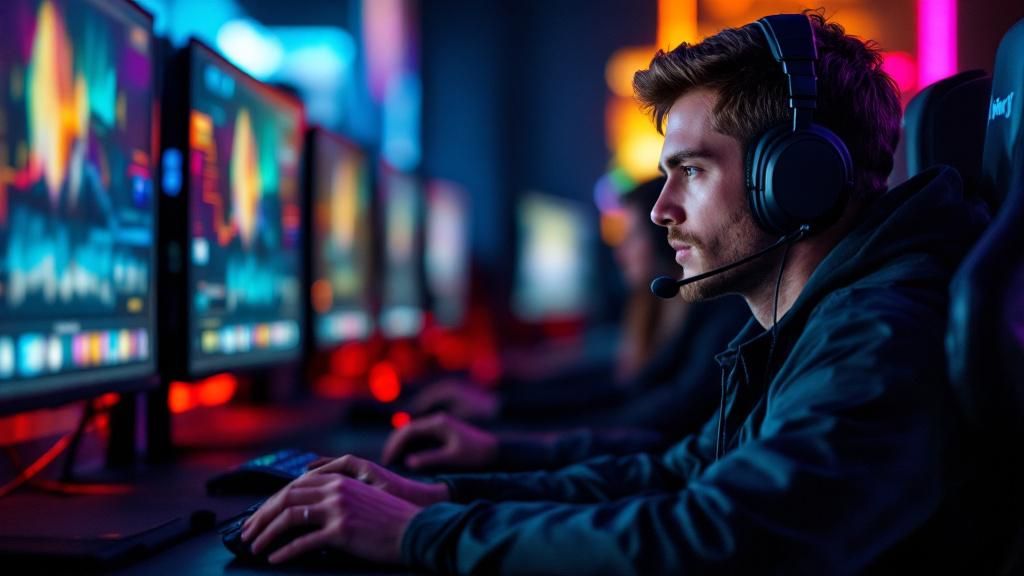
The professional gaming industry has experienced a remarkable transformation, with elite esports organisations now prioritising mental health support as to an unprecedented degree. Recognising that competitive strain, exhausting timetables, and relentless pressure can impose considerable mental strain, prominent clubs are investing substantial resources into thorough support systems. From qualified psychological experts to counselling services and stress management workshops, these initiatives demonstrate a core change in how the industry approaches player wellbeing, challenging long-standing stigmas and setting new standards for competitor wellbeing.
The Increasing Importance of Mental Health in Esports
The professional gaming landscape has experienced a profound shift in the past few years, with psychological wellbeing emerging as a central concern for top-tier teams. As competitive esports continues to grow exponentially, the mental pressures imposed on players have become increasingly apparent. Top-tier teams now recognise that sustained performance requires robust mental wellbeing support, going past conventional fitness regimens to tackle the emotional and psychological challenges inherent in high-stakes competition.
This transformation shows a broader cultural change across the sector, where acknowledging psychological difficulties is no more regarded a shortcoming but instead an crucial aspect of professional standards. Players experience unrelenting pressure from competitive events, sponsorship obligations, and public scrutiny, often whilst maintaining arduous training regimens. By prioritising mental health support services, forward-looking organisations are not just protecting their players’ wellbeing but additionally improving organisational performance and encouraging healthier, more sustainable working lives across competitive gaming.
Comprehensive Support Structures and Provisions
Professional esports teams have developed multifaceted support systems that extend far beyond traditional sports psychology. Many teams now employ full-time mental health professionals, including qualified therapists, psychiatrists, and fitness and wellness coaches who collaborate closely with players during the competitive season. These specialists provide personalised counselling sessions, CBT interventions, and customised stress management strategies designed for each player’s particular circumstances and challenges.
Beyond individual therapy, major esports companies have implemented comprehensive wellness programmes encompassing guided meditation, nutritional guidance, physical fitness regimens, and rest optimisation methods. Teams understand that psychological support necessitates a integrated framework, merging physical wellbeing with mental health services. Additionally, many organisations deliver peer support groups, group bonding initiatives, and training sessions addressing burnout prevention, managing anxiety, and constructive coping techniques, fostering a culture where seeking help is treated as standard practice and encouraged.
Obstacles and Upcoming Advances
Despite considerable progress, professional gaming teams still confront significant obstacles in implementing broad-ranging mental health support. Many smaller-scale organisations lack the monetary means to employ dedicated psychologists or counsellors, generating disparities in standard of care across the industry. Additionally, some players are hesitant to pursue assistance due to ongoing stigma within gaming culture, whilst others struggle with privacy concerns regarding sensitive mental health information. These barriers demand sustained promotion and industry-level standards to guarantee equal access to support services for all competitive players.
The emerging landscape of psychological support services in esports looks increasingly encouraging, with new technological advances offering innovative solutions. VR-based therapeutic interventions, artificial intelligence-driven psychological wellbeing tools, and online peer support communities are expanding accessibility beyond traditional counselling methods. Furthermore, educational initiatives targeting young players seek to establish mental health conversations at the beginning of their careers. As the sector develops, establishing formal certifications for esports psychologists and creating research-backed best practices will probably establish themselves as accepted norms, reinforcing the comprehensive support structure for athlete mental health.
Going forward, collaboration between gaming organisations, mental health professionals, and regulatory bodies will be crucial for sustainable progress. Investment in longitudinal research examining the impact of current interventions will shape upcoming initiatives. Additionally, encouraging transparent communication between players, coaches, and management teams can establish nurturing settings where mental health concerns are addressed proactively rather than reactively. In the end, placing mental health first alongside sporting achievement will establish esports as a genuinely progressive industry that values comprehensive player development.
